KAGAWA UNIVERSITY Kagawa University official website (opens in a new tab)

MICRO / NANO SENSING

Bringing the real world
into sharper focus
with nano-tactile technology.

The subtle differences we feel.
We reveal the information behind them with semiconductors, sensors, and AI.

Professor, Faculty of Engineering and Design, Kagawa University

Director, Nano-Micro Structure Device Integrated Research Center

Hidekuni Takao

HIDEKUNI TAKAO

Explore our research
SENSING THE UNSEEN
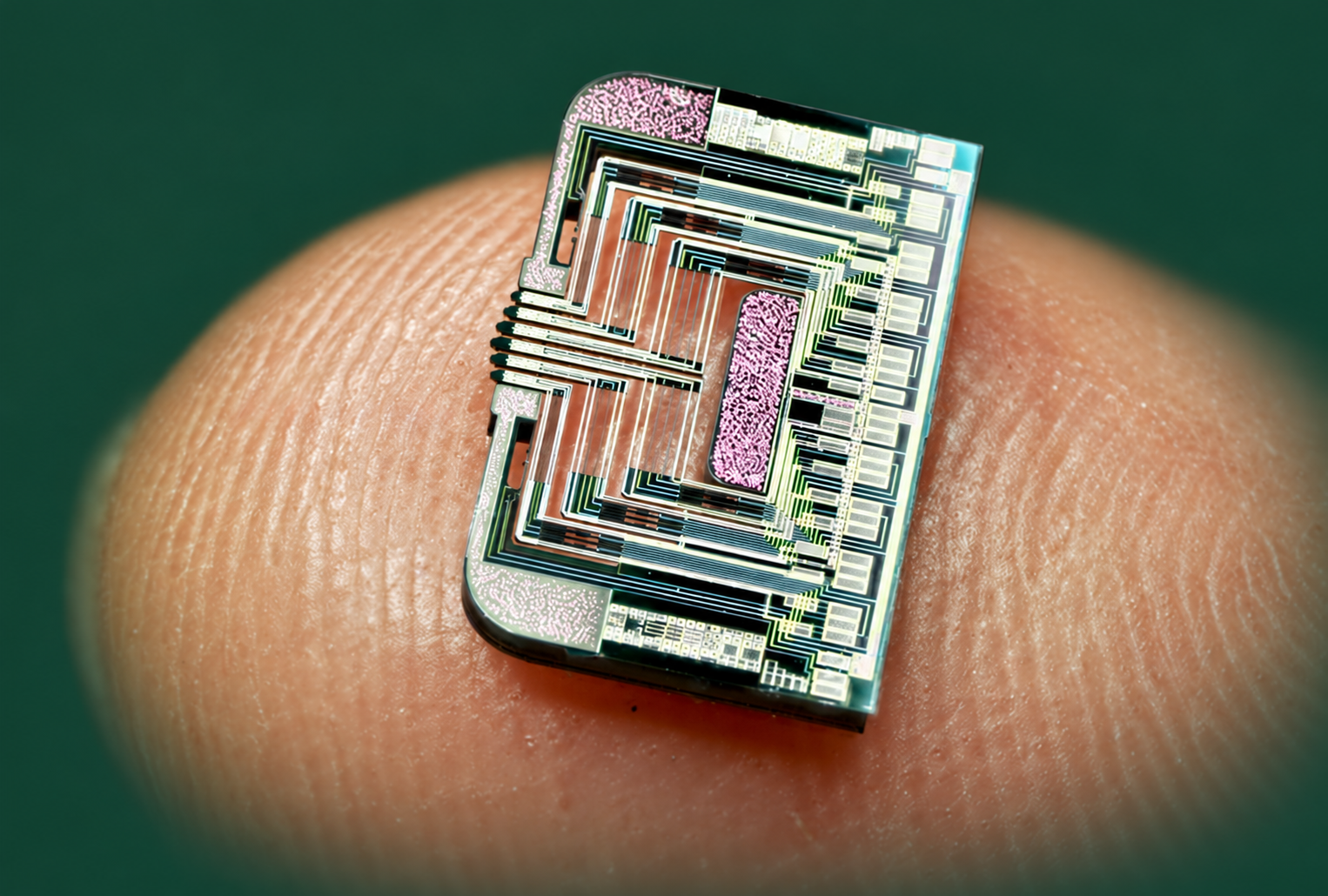
Photograph of a tactile sensor resting on a fingertip
TouchDevicesIntelligence

From the sense of touch to new possibilities.

RESEARCH · EDUCATION · COLLABORATIONSCROLL

RESEARCH

Giving touch
a scientific language.

Fabrics can look alike yet feel different.
That sensation carries information about fine surface features, friction, hardness, heat transfer, and more.

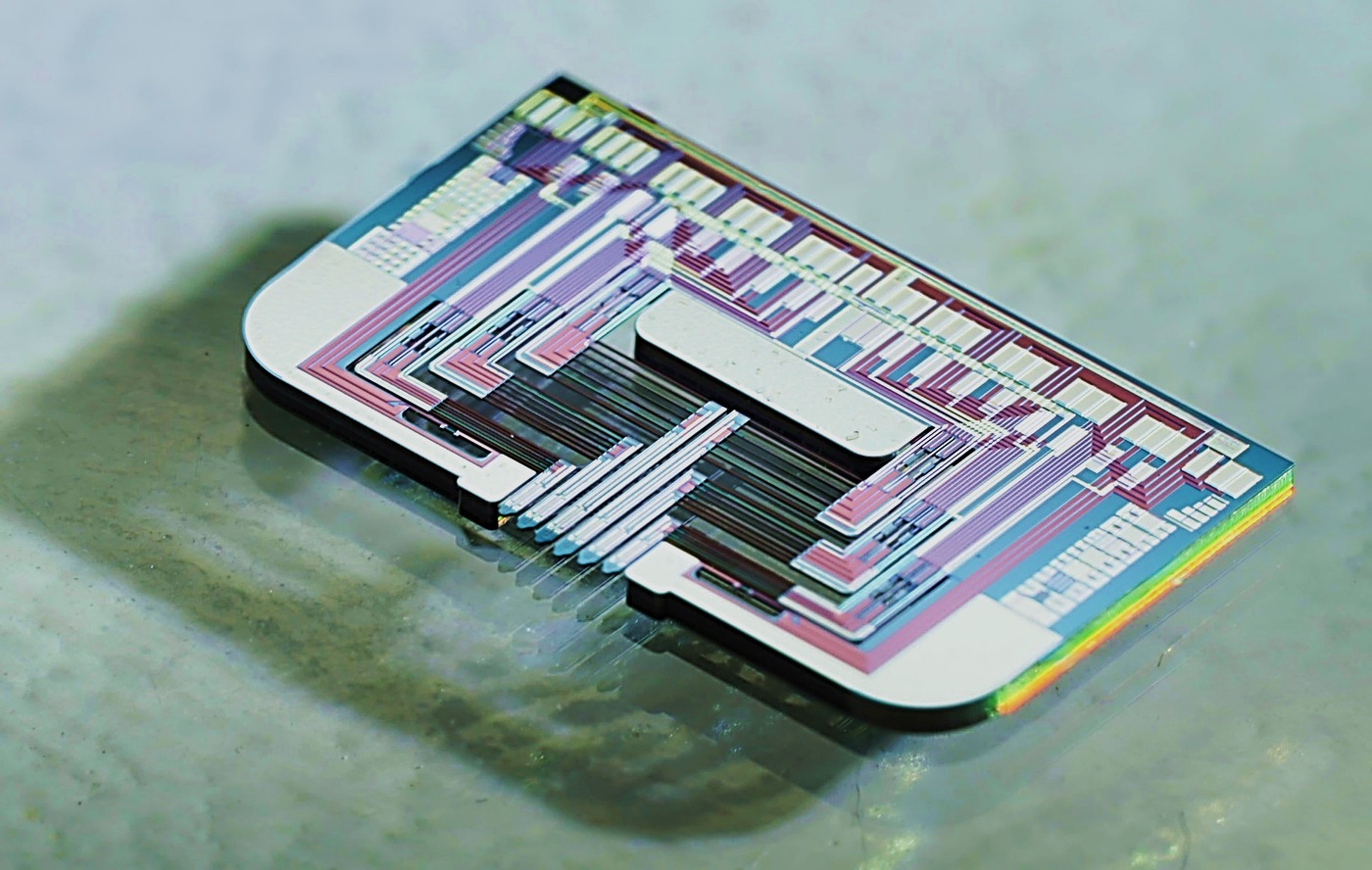
We develop small sensors inspired by the fingertip to turn sensation into information we can measure and verify.

FEEL

Sensing subtle differences

Nano-tactile sensing

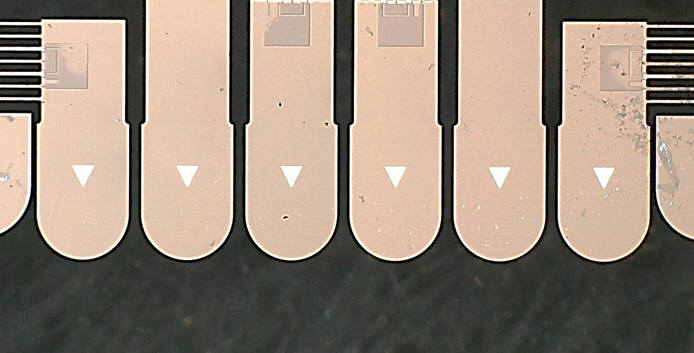
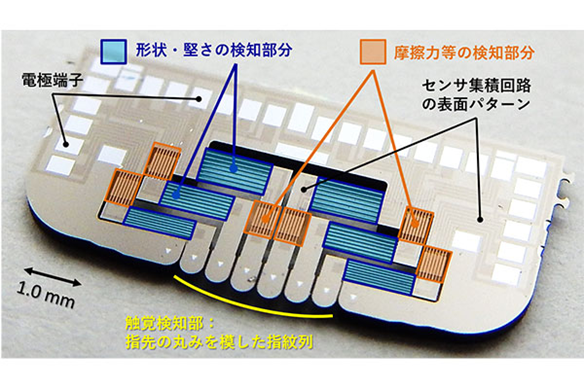
We measure several components of texture, including fine surface features, friction, hardness, and heat transfer. Contact structures inspired by the fingertip and microscale sensing elements turn surface properties and their variation into quantitative data.

From sensation to information.
BUILD

Function in tiny structures

Semiconductor and MEMS integration

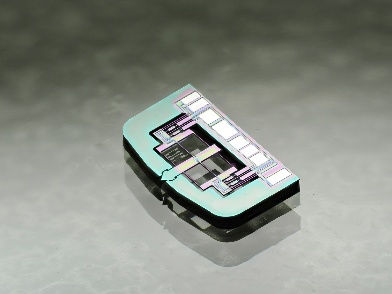
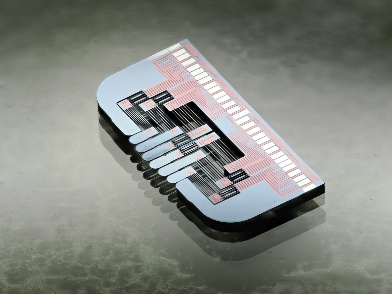
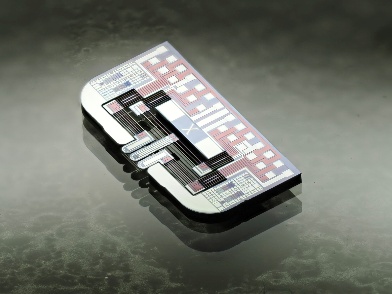
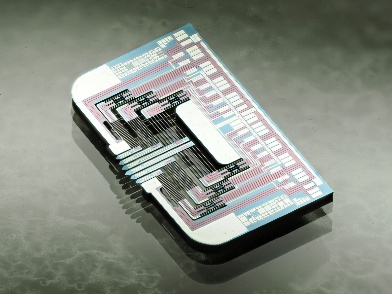
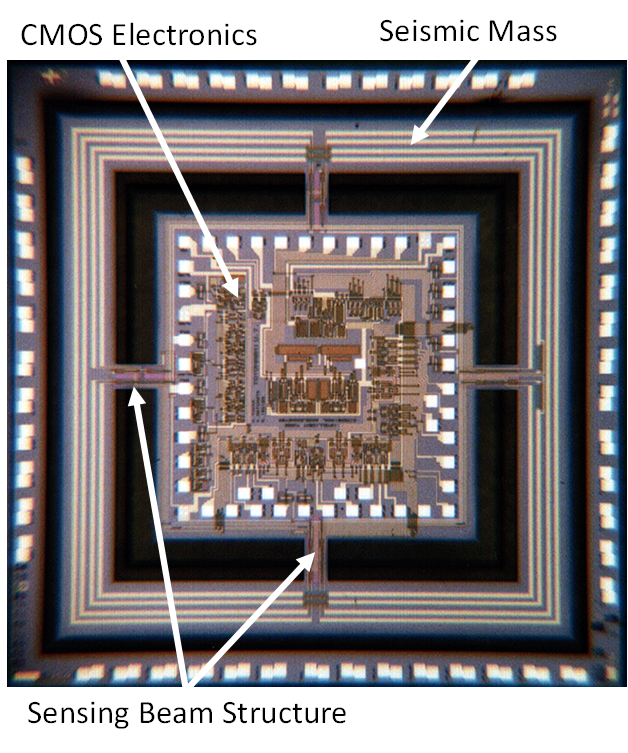
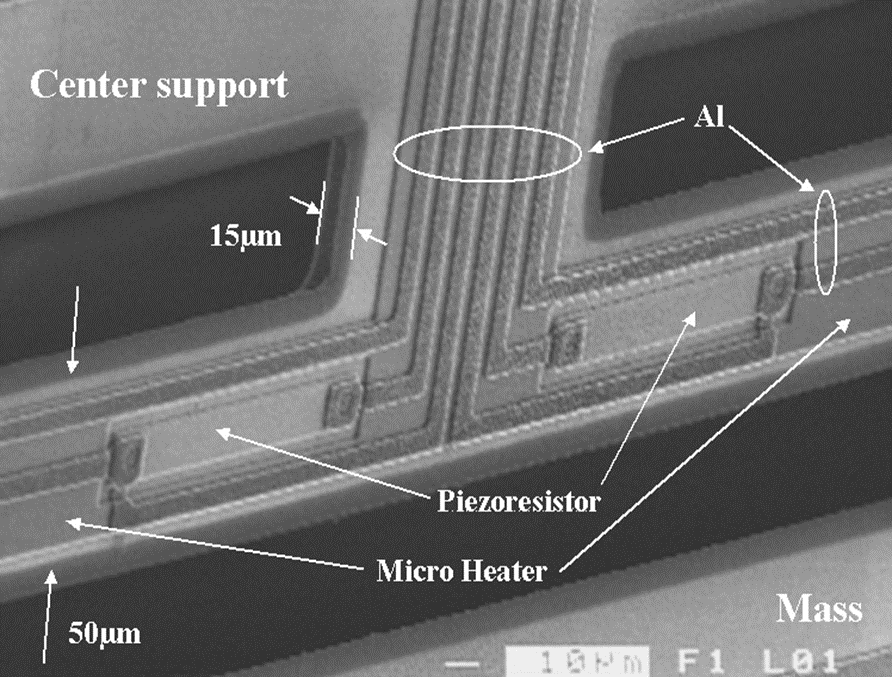
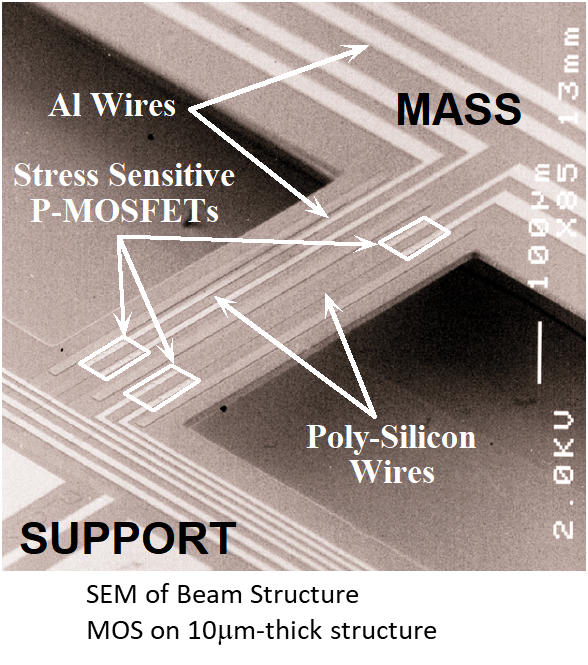
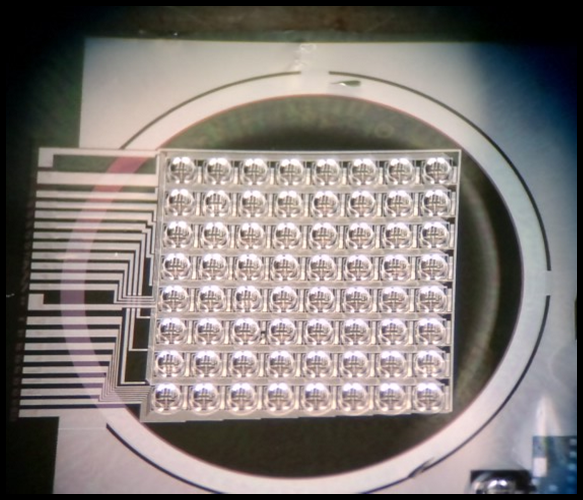
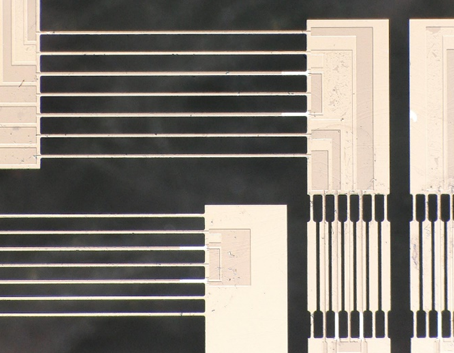
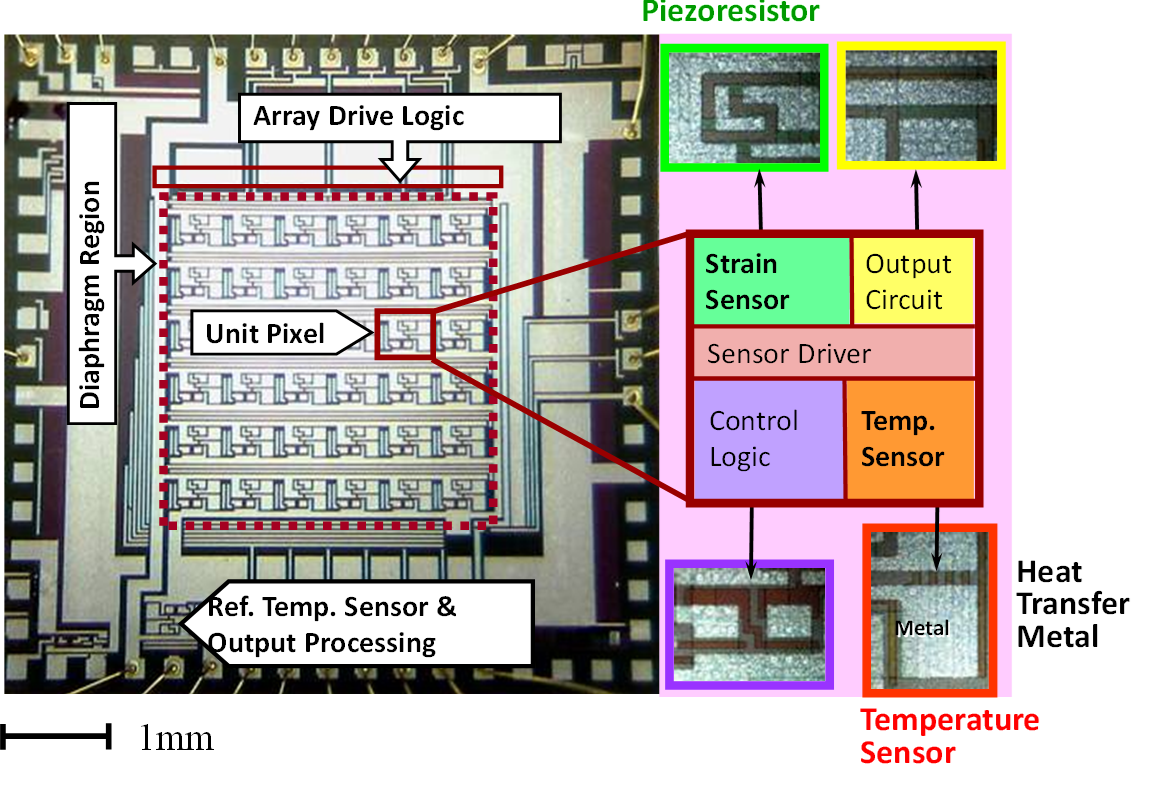
MEMS combines microscopic mechanical structures with electronic functions. We use semiconductor microfabrication to integrate contact structures, springs, and sensing circuits, pursuing both sensitivity to small forces and displacements and the spatial resolution needed to distinguish fine surface features.

From principles to form.
CONNECT

Useful knowledge through touch

Tactile sensing and AI · Medicine

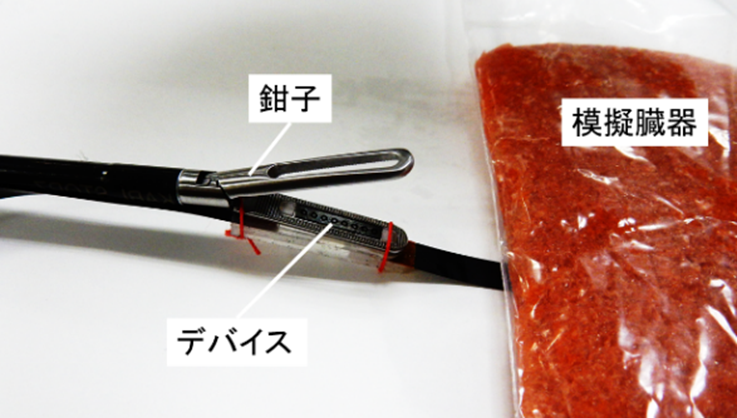
Our medical-engineering collaborations include the development of pressure and tactile sensors for endoscopes. Alongside our work on AI analysis of tactile data, we aim to develop approaches for assessing conditions and supporting decisions in medical devices and advanced manufacturing processes.

From discovery to society.
KEYWORDS

Micro and nano sensors / Semiconductors and MEMS / Tactile sensing / AI / Medicine and engineering collaboration

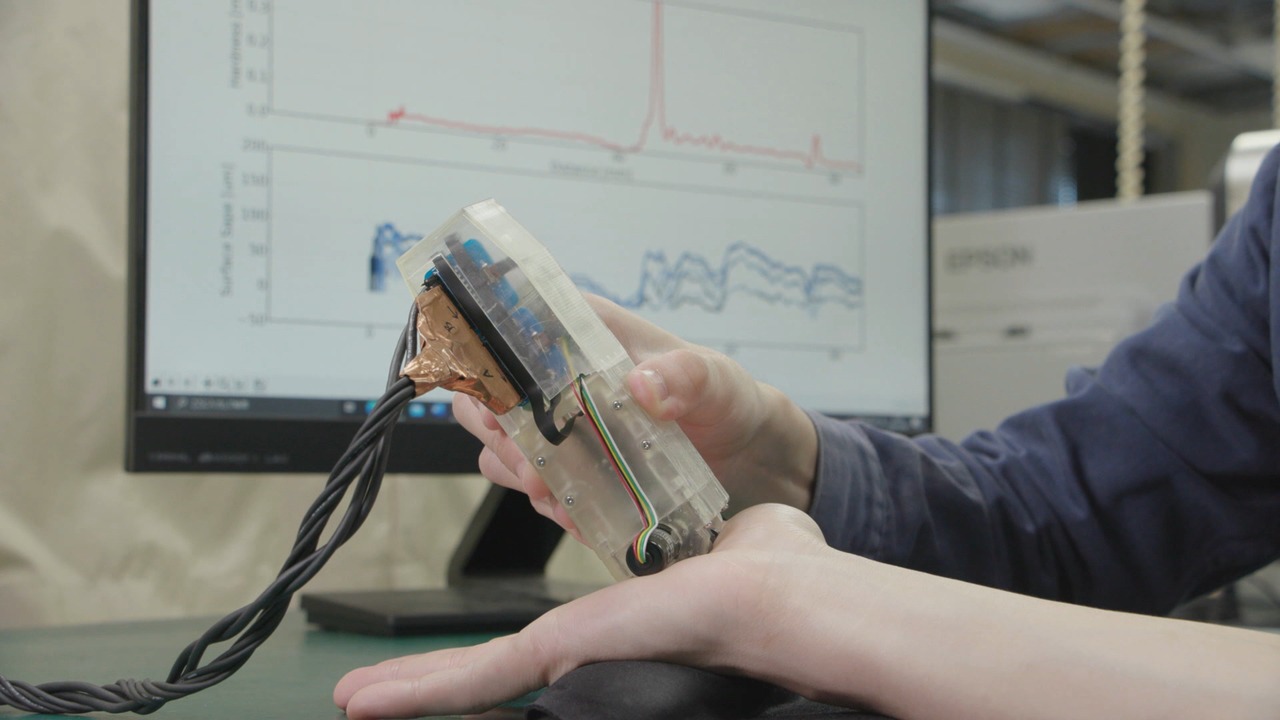
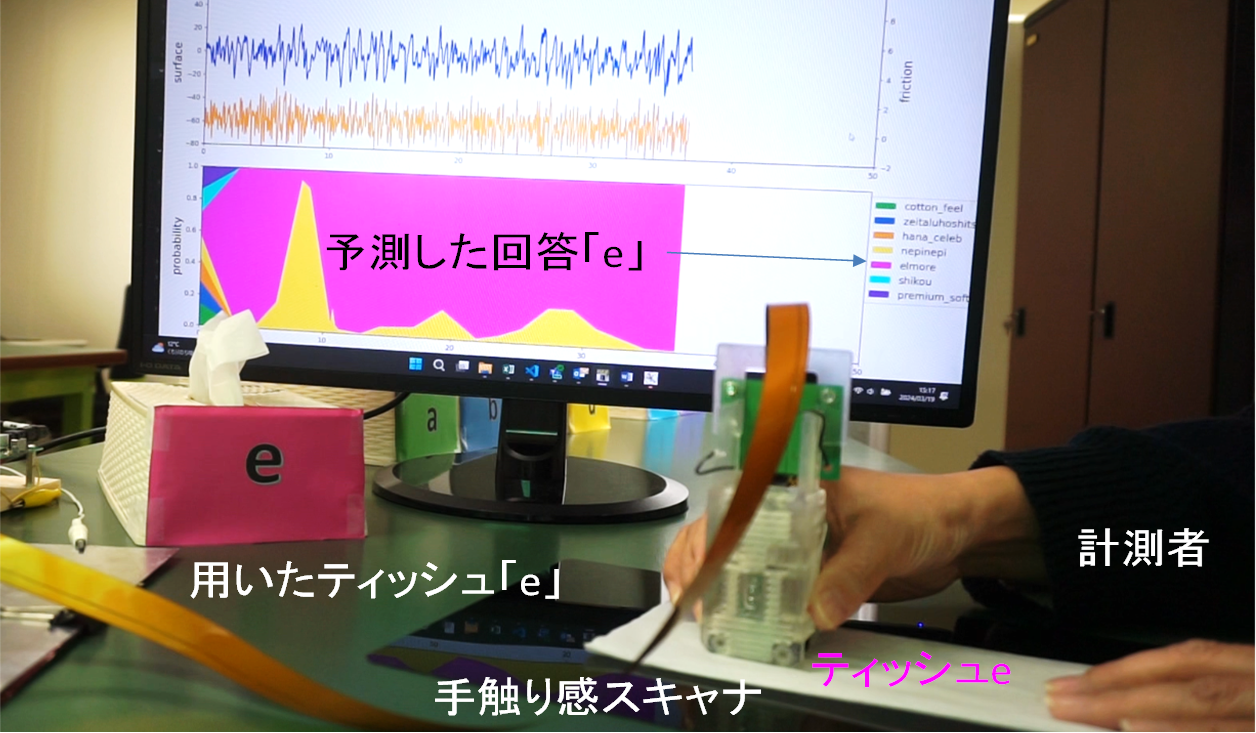
Annotated tactile-scanner experiment measuring tissue paper e, with the AI prediction e shown on screen

Research Focus | Touch × AI

Demonstrating tactile recognition beyond human fingertips (Nano-Tactile AI)

We combine nano-tactile sensors with AI to interpret fine surface features, friction, hardness, and heat transfer. Our research seeks to understand the condition of a target and how that condition changes.

In experiments distinguishing 14 types of tissue paper, our sensing system achieved a classification accuracy of at least 95%. This technology received the Grand Prix in the Devices Category of CEATEC AWARD 2023. Our collaboration with Panasonic has also led to the practical use of a hair cuticle diagnostic system combining nano-tactile sensors and deep learning.

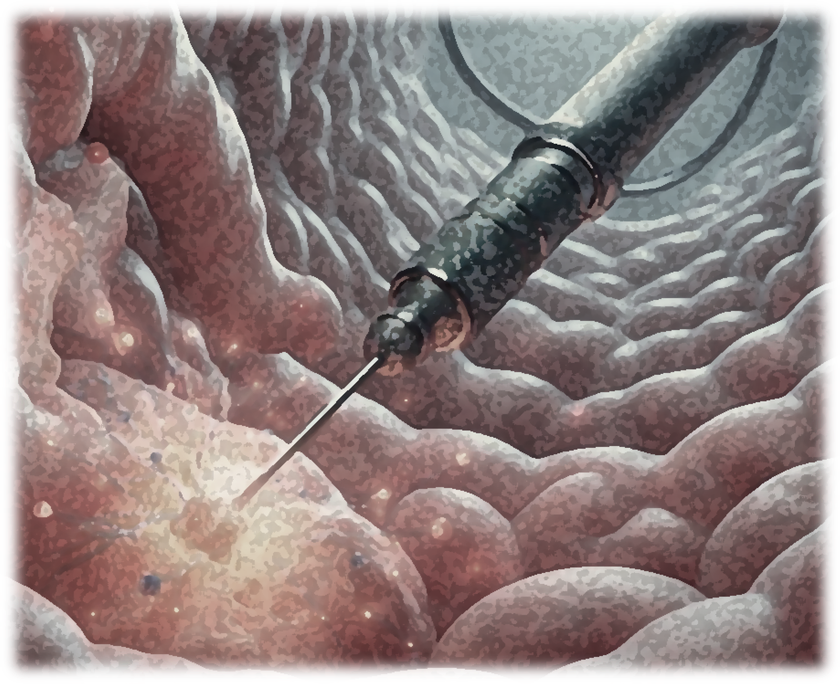
For medical applications, we have developed a sensor that passes through an endoscope’s narrow tool channel to measure texture and force simultaneously. We are pursuing research that captures subtle changes during contact and turns them into information to support physicians’ judgment.

For advanced manufacturing applications, we aim to detect changes in fine surface features and frictional properties, with a view to quality assessment and early anomaly detection. By connecting semiconductor and MEMS device design, signal analysis, and AI-based condition estimation, we seek to make tactile measurements useful for improving processes and technologies.
SELECTED HIGHLIGHTS

Research Outcomes in Practice

From publicly released research